Credit Score Boost: Achieve 750+ FICO in 6 Months
Advertisements

Reaching a 750+ FICO score in six months unlocks lower interest rates and premium financial options for U.S. consumers.
Credit Score Boost breaks down the core components of FICO scoring, key management techniques, and three practical steps to rapidly rebuild your credit profile.
Understanding Your Current Credit Standing
Before embarking on a journey for a credit score boost, it is crucial to accurately assess your current credit situation.
This involves obtaining and thoroughly reviewing your credit reports from all three major bureaus: Equifax, Experian, and TransUnion.
These reports provide a detailed history of your credit accounts, payment behavior, and any derogatory marks that might be impacting your score.
Identifying inaccuracies or outdated information is a critical first step in the credit improvement process.
Regularly monitoring your credit reports also helps in detecting potential identity theft or fraudulent activities that could negatively affect your FICO score.
Proactive review allows for timely dispute resolution and prevents further damage to your financial profile.
Accessing Your Credit Reports
- Utilize annualcreditreport.com for free copies of your reports from each bureau.
- Review all accounts for accuracy, including balances, payment history, and account status.
- Note any discrepancies, such as accounts you don’t recognize or incorrect payment dates.
Interpreting Your FICO Score
Your FICO score is a numerical representation of your creditworthiness, ranging from 300 to 850. Lenders use this score to evaluate the risk associated with lending you money.
A score of 750 or higher is generally considered excellent, indicating a very low risk to lenders.
Understanding what factors contribute to your score—payment history, credit utilization, length of credit history, new credit, and credit mix—is essential for a targeted credit score boost.
Each of these factors carries a different weight in the FICO scoring model, with payment history and credit utilization typically having the most significant impact.
Focusing efforts on these high-impact areas can yield faster results in your credit improvement efforts.
Strategy 1: Optimize Payment History
Payment history accounts for the largest portion of your FICO score, making it the most impactful area for a rapid credit score boost.
Consistently making on-time payments demonstrates financial responsibility and reliability to lenders.
Late payments, even by a few days, can severely damage your credit score and remain on your report for up to seven years.
Therefore, prioritizing timely payments for all your credit accounts is non-negotiable for anyone aiming for a 750+ score.
Setting up automatic payments or payment reminders can be an effective way to ensure that you never miss a due date.
This simple habit forms the bedrock of a healthy credit profile and is fundamental to achieving significant score increases.
Ensuring Timely Payments
The most straightforward way to improve your payment history is to pay all your bills on time, every time. This includes credit cards, loans, and any other accounts reported to credit bureaus.
Consider setting up payment alerts through your bank or credit card providers, or using calendar reminders.
Even paying the minimum amount due on time is better than a late payment, though paying more is always advisable for debt reduction.
For those struggling with multiple due dates, consolidating payments or adjusting due dates with creditors might offer a viable solution. Proactive communication with lenders can sometimes prevent late payment reporting.
Addressing Past Late Payments
If you have past late payments, their impact diminishes over time, but they remain on your report.
For recent late payments, sometimes a goodwill letter to the creditor can result in their removal, especially if you have an otherwise stellar payment history.
Focus on establishing a long streak of on-time payments moving forward, as this positive behavior will gradually outweigh the negative impact of older missed payments.
The recency of negative marks plays a significant role in their impact on your FICO score.
While removing legitimate late payments is difficult, ensuring no new ones occur is entirely within your control and vital for a sustained credit score boost. Consistency is key to rebuilding and strengthening your credit profile.
Strategy 2: Reduce Credit Utilization Ratio
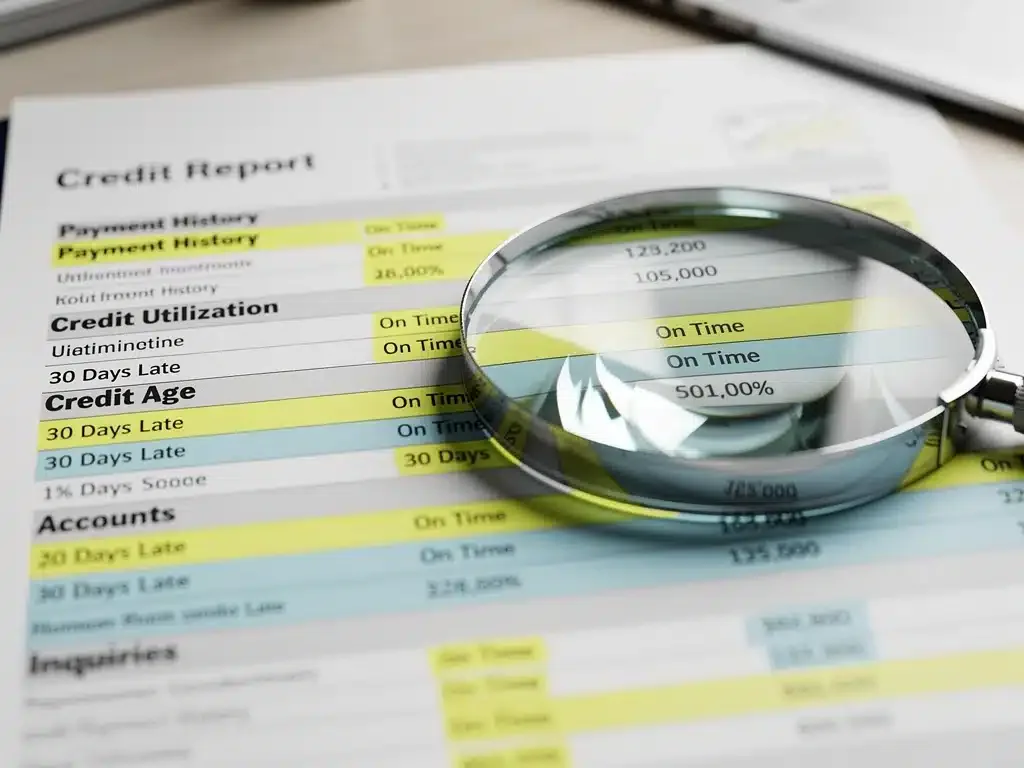
Your credit utilization ratio is another critical factor heavily influencing your FICO score, contributing approximately 30% of the overall score.
This ratio represents the amount of credit you are currently using compared to your total available credit.
Lenders typically view a high credit utilization ratio as a sign of financial distress or over-reliance on credit, which can negatively impact your score.
Keeping this ratio low is essential for a substantial credit score boost.
Experts generally recommend keeping your credit utilization below 30% across all your credit cards, and ideally even lower, around 10%, for an excellent FICO score. Strategic reduction of this ratio can yield rapid improvements.
Lowering Your Credit Card Balances
The most direct way to reduce your credit utilization is to pay down your credit card balances. Prioritize cards with the highest balances relative to their credit limits.
Even making multiple payments within a billing cycle can be beneficial, as many credit card companies report your balance to the credit bureaus at specific times, not necessarily at the end of the billing cycle.
This can temporarily lower your reported utilization.
Consider the ‘debt snowball’ or ‘debt avalanche’ methods to systematically tackle outstanding balances. The debt avalanche method, focusing on high-interest debts first, can save you more money in the long run.
Increasing Available Credit
Another approach to lower your credit utilization ratio is to increase your total available credit. This can be done by requesting a credit limit increase on an existing card or opening a new credit account.
However, proceed with caution: requesting a credit limit increase should only be done if you are confident you will not increase your spending.
Opening a new account can also result in a temporary dip in your score due to a hard inquiry and a shorter average age of accounts.
If you choose to open a new account, ensure it offers favorable terms and that you can manage the new credit responsibly.
The goal is to have more available credit without accumulating more debt, thus improving your credit score boost efforts.
Strategy 3: Diversify Your Credit Mix and Age of Accounts
While payment history and utilization are paramount, the diversity of your credit accounts and the average age of those accounts also play a role in your FICO score.
A healthy credit mix demonstrates your ability to manage different types of credit responsibly.
This includes a combination of revolving credit (like credit cards) and installment loans (such as mortgages, auto loans, or student loans).
Lenders prefer to see a balanced portfolio rather than an over-reliance on one type of credit.
The length of your credit history also contributes to your score; older accounts generally have a more positive impact. Therefore, avoid closing old credit accounts, even if they are paid off, to maintain a longer average credit age.
Building a Healthy Credit Mix
For those with limited credit history, consider a secured credit card or a credit-builder loan. These products are designed to help individuals establish or rebuild credit by reporting payment activity to the credit bureaus.
A secured credit card requires a cash deposit, which typically acts as your credit limit, reducing the risk for the issuer.
A credit-builder loan involves making regular payments into a savings account, which is then released to you at the end of the loan term.
These tools can be excellent for diversifying your credit mix and demonstrating responsible payment behavior, directly contributing to your credit score boost. They provide a structured way to add positive accounts to your report.
Maintaining Account Longevity
The average age of your credit accounts is a factor that improves with time. The longer your accounts have been open and in good standing, the better it is for your FICO score.
Resist the temptation to close old, unused credit card accounts, especially those with no annual fees. Even if you don’t use them frequently, their presence contributes to your overall available credit and the length of your credit history.
If an old account has an annual fee and you no longer wish to use it, consider downgrading it to a no-fee version or transferring the credit limit to another card with the same issuer, if possible, before outright closing it.
This helps preserve your credit history and aids your credit score boost.
Monitoring Progress and Adapting Strategies
Consistent monitoring of your credit score and reports is essential to track the effectiveness of your implemented strategies.
Many credit card companies and banks now offer free access to your FICO score, allowing you to observe changes regularly.
Changes in your credit score are not always instantaneous; they often reflect on your report monthly. Patience and persistence are key, as a credit score boost to 750+ within six months requires sustained effort.
If you notice that your score isn’t improving as expected, or if it declines, re-evaluate your strategies. This might involve reviewing your spending habits, checking for new errors on your credit report, or adjusting your debt repayment plan.
Regular Credit Score Checks
Utilize free credit monitoring services offered by various platforms or your existing financial institutions. These services often provide alerts for significant changes to your credit report, such as new accounts or hard inquiries.
While a hard inquiry can temporarily lower your score, multiple inquiries within a short period, especially for different types of credit, can signal higher risk. Be mindful of when and why you apply for new credit.
Keeping a close eye on your score allows you to quickly identify any issues and take corrective action, ensuring your efforts towards a credit score boost remain on track.
Understanding the fluctuations helps in refining your approach.
Adjusting Your Financial Habits
Achieving a 750+ FICO score is not just about implementing short-term fixes; it’s about cultivating healthy, long-term financial habits. This includes budgeting, saving, and responsible use of credit.
If your credit utilization remains high, consider cutting back on discretionary spending to free up funds for debt repayment. Creating a realistic budget is a foundational step in managing your finances effectively.
Remember that a strong credit score is a reflection of overall financial health.
By integrating these strategies into your daily financial routine, you are not only working towards a credit score boost but also building a more secure financial future.
The Impact of New Credit Applications
Applying for new credit can have a dual effect on your FICO score, both positive and negative, depending on how it’s managed.
Each application typically results in a ‘hard inquiry’ on your credit report, which can cause a small, temporary dip in your score.
While a single hard inquiry usually has a minimal impact, multiple inquiries in a short period can signal to lenders that you might be in financial distress or are seeking to take on too much debt.
This can hinder your credit score boost efforts.
However, successfully opening new credit accounts and managing them responsibly can ultimately be beneficial.
It can improve your credit mix and increase your total available credit, which in turn can lower your credit utilization ratio over time.
Strategic Applications for New Credit
If you plan to apply for a significant loan, such as a mortgage or auto loan, it is advisable to do so within a short timeframe.
FICO models often treat multiple inquiries for the same type of loan within a 14 to 45-day window as a single inquiry.
Avoid opening new credit cards indiscriminately, especially if you are actively trying to build your score. Each new account reduces the average age of your credit history, which is another factor in your FICO score calculation.
Only apply for credit when genuinely needed and when you are confident you will be approved based on your current credit profile.
This strategic approach minimizes negative impacts and supports your overall credit score boost goal.
Disputing Credit Report Errors
Credit report errors are surprisingly common and can significantly impede your efforts towards a credit score boost.
These inaccuracies can range from incorrect payment statuses and balances to accounts that do not belong to you, potentially indicating identity theft.
Under the Fair Credit Reporting Act (FCRA), you have the right to dispute any information on your credit report that you believe to be inaccurate or incomplete.
The credit bureaus are legally obligated to investigate your dispute within a specified timeframe, usually 30 days.
Promptly identifying and disputing these errors is a critical step. Removing negative, inaccurate information can often lead to an immediate and noticeable improvement in your FICO score, accelerating your progress towards a 750+ score.
The Dispute Process
To dispute an error, you must contact the credit bureau(s) reporting the inaccurate information. Provide clear documentation supporting your claim, such as payment records, bank statements, or official correspondence.
It is advisable to send your dispute letter via certified mail with a return receipt requested, creating a paper trail of your communication. The credit bureau will then contact the creditor to verify the information.
If the information is found to be inaccurate or cannot be verified, it must be removed from your credit report.
This process can be time-consuming but is vital for a genuine credit score boost and an accurate representation of your financial history.
Leveraging Secured Credit Cards and Credit-Builder Loans
For individuals with limited credit history or those looking to rebuild damaged credit, secured credit cards and credit-builder loans offer structured pathways to a significant credit score boost.
These products are specifically designed to help establish a positive payment history.
A secured credit card requires a cash deposit, which typically serves as your credit limit.
This deposit minimizes the risk for the issuer, making approval easier even for those with poor credit or no credit history. Regular, on-time payments are reported to credit bureaus.
Credit-builder loans work differently: you make regular payments into a savings account, which is then released to you at the end of the loan term. These payments are reported to credit bureaus, establishing a positive installment loan history.
How They Contribute to Your Score
Both secured credit cards and credit-builder loans primarily impact your payment history and credit mix. Consistent on-time payments demonstrate reliability, which is the most influential factor in FICO scoring.
They also introduce a new account type to your credit profile, diversifying your credit mix. This shows lenders you can manage different forms of credit responsibly, further supporting your credit score boost journey.
After a period of responsible use, typically 6-12 months, many secured credit card holders can transition to an unsecured card, and credit-builder loan participants will have a solid foundation for future credit applications.
This strategic use of these tools is invaluable for long-term credit health.
The Long-Term Perspective on Credit Health
While the goal is a rapid credit score boost to 750+ within six months, maintaining this excellent score requires a long-term commitment to sound financial practices. Credit health is an ongoing process, not a one-time achievement.
Consistently applying the strategies discussed—timely payments, low credit utilization, and a healthy credit mix—will ensure your score remains high.
Financial discipline and continuous monitoring are the cornerstones of sustained credit excellence.
An excellent FICO score not only provides access to better financial products but also reflects overall financial stability and responsibility. This, in turn, can positively impact various aspects of your life, from housing to insurance rates.
Sustaining Your High Credit Score
Continue to monitor your credit reports for accuracy and guard against identity theft. Even with a high score, vigilance is necessary to prevent unforeseen issues from impacting your financial standing.
Avoid taking on excessive debt or making impulsive credit applications. Each financial decision should be weighed against its potential impact on your credit score and long-term financial goals.
A high credit score is a powerful financial asset. By understanding its components and committing to responsible credit management, you can not only achieve but also sustain a 750+ FICO score, securing a more robust financial future.
| Key Strategy | Impact on FICO Score |
|---|---|
| Optimize Payment History | Most significant factor; ensures on-time payments for all accounts. |
| Reduce Credit Utilization | Keep balances low (below 30%, ideally 10%) relative to limits. |
| Diversify Credit Mix | Balance revolving and installment credit; maintain older accounts. |
| Monitor & Dispute Errors | Regularly check reports and correct inaccuracies for immediate gains. |
Frequently Asked Questions About Credit Score Boost
How quickly can I see a credit score boost with these strategies?▼While individual results vary, consistent application of these strategies can yield noticeable improvements within 3-6 months. Reducing high credit utilization and correcting errors often show the fastest impact on your FICO score. Patience and diligent effort are crucial for significant gains.
Is it possible to reach 750+ FICO from a low score in six months?▼Reaching 750+ from a very low score in six months is challenging but not impossible, especially if significant negative items are removed or major utilization drops occur. Starting from a mid-range score makes it more attainable. Focus on eliminating negative factors and maximizing positive ones consistently.
Should I close old credit cards to improve my score?▼Generally, no. Closing old credit cards can reduce your total available credit, increasing your utilization ratio, and shorten your average credit history length. Both factors can negatively impact your FICO score. It’s usually better to keep them open, even if unused, to help your credit score boost.
How often should I check my credit report and score?▼It’s advisable to check your full credit reports annually from each of the three major bureaus for accuracy. Many credit card providers offer free monthly FICO score updates, which you should monitor regularly. Frequent checks help you track progress and quickly identify any issues affecting your credit score boost.
What is the most impactful strategy for a quick credit score boost?▼Optimizing payment history by ensuring all bills are paid on time is the single most impactful strategy. Coupled with significantly reducing your credit utilization ratio (ideally below 10%), these two factors account for the largest portions of your FICO score and can lead to the fastest improvements.
Looking Ahead for Your Credit Score Boost
The pursuit of a 750+ FICO score within six months is a clear objective for many seeking financial empowerment.
The outlined strategies—optimizing payment history, reducing credit utilization, and diversifying credit mix—provide a robust framework for this endeavor.
To help accelerate this process by adding positive utility and telecom payments to your file, consider signing up for Experian Boost to help increase your score.
Continued adherence to these principles, coupled with diligent monitoring and proactive error dispute, will not only facilitate a rapid credit score boost but also establish a foundation for enduring financial health.
The evolving financial landscape underscores the importance of a strong credit profile, making these efforts more relevant than ever for consumers in the United States.