New FICO Score Models in 2026: How Recent Updates Impact Your Creditworthiness and Loan Approvals
Advertisements
The FICO Score updates planned for 2026 are set to reshape how creditworthiness is assessed in the United States. These changes will directly influence loan approvals and access to credit products.
Understanding the upcoming FICO Score shifts is essential for consumers planning to apply for loans or mortgages. Lenders are also preparing for new risk evaluation standards.
This report explains what is changing, why it matters, and what to expect next. Staying informed about FICO Score updates is key to navigating the evolving credit landscape with confidence.
Understanding the Shift in FICO Scoring
FICO, the widely recognized credit scoring authority, has announced significant revisions to its scoring models, slated for rollout in 2026.
These updates aim to provide a more nuanced assessment of consumer financial behavior, potentially altering credit access for millions.
The modifications are designed to incorporate a broader range of financial data, moving beyond the conventional focus on loan and credit card performance.
This expanded data set is intended to offer lenders a more comprehensive risk profile, which could be beneficial for consumers with otherwise thin credit files.
Industry analysts suggest these changes reflect a broader effort to modernize credit evaluation as financial landscapes and consumer habits evolve. The new FICO Score models are a direct response to these market dynamics.
Key Drivers Behind the Updates
Several factors are driving the development and implementation of the new FICO Score models in 2026.
These include technological advances, changes in consumer financial behavior, and the push for more inclusive credit assessments.
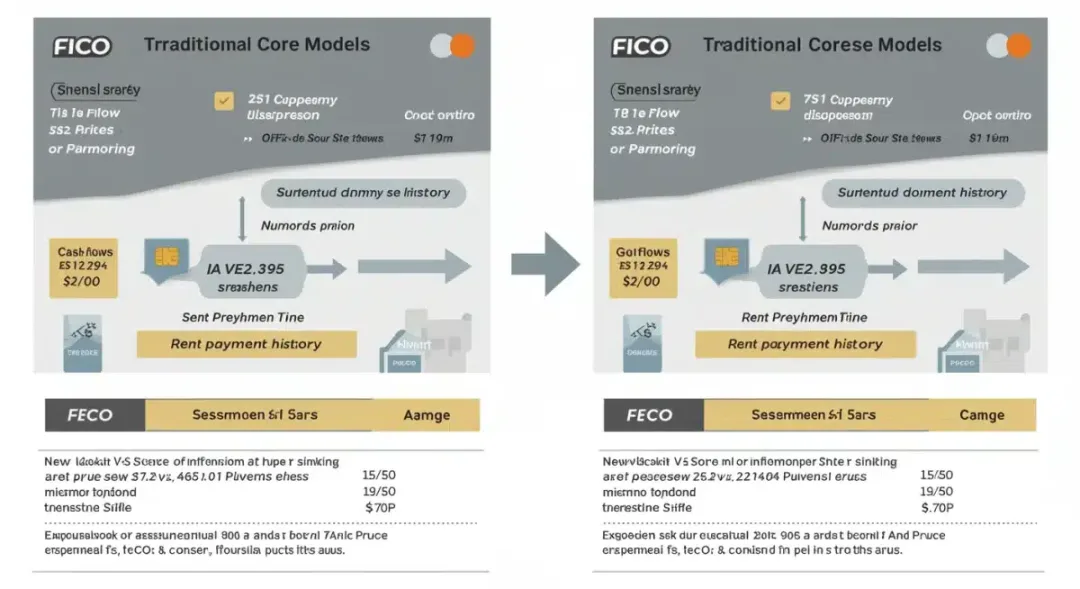
The rise of alternative data sources, such as rent payments, utility bills, and cash flow data, has provided FICO with new avenues to evaluate credit risk.
This allows for a more granular understanding of an individual’s financial discipline, even for those who may not have extensive traditional credit histories.
Furthermore, the updates seek to address long-standing concerns about credit invisibles and those with limited credit histories.
By incorporating non-traditional data, FICO aims to expand credit opportunities to a broader segment of the population, fostering greater financial inclusion.
- Technological advancements in data analytics
- Evolving consumer financial behaviors and payment patterns
- Demand for more inclusive and comprehensive credit assessments
Impact on Creditworthiness and Loan Approvals
The introduction of new FICO Score models in 2026 will have a significant impact on individual creditworthiness. Consumers may see score changes that directly affect loan approvals and interest rates.
Lenders, in turn, will need to adapt their underwriting processes to align with these new models.
This may involve recalibrating risk assessment algorithms and adjusting lending criteria, leading to a period of transition in the credit market.
For some, these changes could mean improved credit scores and easier access to financing, particularly for those whose positive financial behaviors were previously uncaptured.
Conversely, others might see their scores decline if their newly incorporated data reveals higher risk factors.
New Data Points in Focus
A significant aspect of the new FICO Score models in 2026 is the emphasis on alternative data points. These sources aim to create a more complete picture of a borrower’s financial reliability.
Rent payment history, utility bill payments, and cash flow analysis from bank accounts are among the key additions.
These elements, when consistently positive, can now contribute positively to a consumer’s FICO score, potentially boosting their credit standing.
Conversely, inconsistent payments or negative cash flow patterns could adversely affect scores.
It is crucial for consumers to understand how these new factors will be weighed in the updated models to proactively manage their financial profiles.
- Rent payment history as a credit factor
- Utility bill payment consistency
- Analysis of bank account cash flow patterns
Preparing for the 2026 Transition
As the rollout of new FICO Score models in 2026 approaches, proactive preparation becomes essential for consumers. Understanding the changes and optimizing financial habits can help reduce potential negative impacts.
Monitoring existing credit reports and scores regularly remains a fundamental practice, but now with an added layer of scrutiny on new data points.
Consumers should ensure all reported information, including alternative data, is accurate and up-to-date.
Engaging with financial advisors or credit counseling services can provide personalized guidance tailored to individual circumstances.
These professionals can help interpret the implications of the new models and formulate strategies for improvement.
Strategies for Consumers
To navigate the new FICO Score models in 2026 effectively, consumers should focus on consistent rent and utility payments, healthy bank balances, and minimizing overdrafts.
For those with limited traditional credit history, actively seeking ways to establish a positive track record with these new data points will be beneficial.
This might involve enrolling in rent reporting services or ensuring timely payment of all recurring bills.
Reviewing credit reports from all three major bureaus—Equifax, Experian, and TransUnion—is also more important than ever.
Discrepancies should be disputed promptly to ensure accuracy, as these reports form the basis for FICO score calculations.
- Ensure consistent and timely rent payments
- Maintain a positive history of utility bill payments
- Monitor bank account activity to avoid overdrafts and maintain healthy cash flow
Lender Adaptations and Challenges
The new FICO Score models in 2026 present both opportunities and challenges for lenders. While they offer more accurate risk assessment, adapting requires investment and strategic adjustments.
Lenders will need to update their internal systems, train underwriting staff, and potentially revise their product offerings.
The transition period could see some initial friction as institutions integrate the new scoring methodologies into their existing frameworks.
However, the long-term benefits include potentially broader access to creditworthy borrowers and a reduction in loan defaults due to more precise risk evaluations.
Institutions that effectively adapt will gain a competitive edge in the evolving credit market.
Operational Adjustments for Financial Institutions
Financial institutions must undertake several operational adjustments to accommodate the new FICO Score models in 2026. This includes refining data collection processes to efficiently incorporate alternative data sources.
Investing in advanced analytics and machine learning tools will be crucial for processing and interpreting the expanded data sets.
This will allow lenders to make informed decisions quickly and consistently, aligning with the new FICO standards.
Furthermore, transparent communication with consumers about how their scores are being calculated and what factors are influencing them will be vital.
This will help maintain trust and educate borrowers on how to improve their credit profiles under the new regime.
- Updating data collection and processing systems
- Training underwriting teams on new scoring methodologies
- Revising loan product offerings and risk assessment policies
Potential Winners and Losers
The introduction of new FICO Score models in 2026 is likely to create clear beneficiaries and others who may face challenges. Understanding these shifts is essential for anticipating changes in the credit market.
One group of potential winners includes individuals with limited traditional credit histories but strong records of paying rent and utilities on time.
Their scores could improve significantly, opening doors to credit that were previously closed.
Conversely, those who have consistently struggled with non-traditional payments, even if they manage traditional credit well, might see their scores negatively impacted. This necessitates a holistic view of financial discipline.
Who Benefits Most?
Consumers who consistently demonstrate responsible financial behavior outside of traditional credit products are poised to benefit most from the New FICO Score Models.
This includes young adults, new immigrants, and individuals who prefer to avoid credit cards but manage their finances diligently.
The emphasis on cash flow and payment consistency for essential services provides a new pathway to establishing or improving creditworthiness.
This is particularly impactful for the estimated millions of Americans considered ‘credit invisible’.
Small businesses and startups, often reliant on personal credit for initial funding, could also find it easier to secure loans if their founders demonstrate strong alternative payment histories. This fosters broader economic growth.
- Individuals with thin credit files but strong alternative payment histories
- Young adults and new immigrants establishing credit
- Consumers who prioritize cash payments over credit usage

Navigating the New Credit Landscape
Successfully navigating the credit landscape redefined by the new FICO Score Models requires ongoing vigilance and adaptability.
Consumers must stay informed about their credit health and adjust their financial habits accordingly.
The shift demands a more comprehensive approach to personal finance, where every financial obligation, from rent to utility bills, contributes to one’s credit profile. This integrated perspective is crucial for maintaining a strong credit standing.
As these models become fully operational, the financial industry will continue to evolve, offering new tools and resources to help consumers adapt.
Staying connected with reliable financial information sources will be invaluable.
Essential Steps for Consumers
To thrive under the FICO score, consumers should prioritize several essential steps.
First, ensure all recurring payments are made on time, including rent, utilities, and subscriptions, as these can now significantly influence scores.
Second, regularly review bank statements to understand cash flow patterns and identify any potential issues that could negatively impact credit.
Maintaining a healthy balance and avoiding frequent overdrafts will be more important than ever.
Finally, utilize free annual credit reports to monitor for accuracy across all reported data points, traditional and alternative.
Proactive management of one’s financial data is the best defense against unforeseen credit score fluctuations.
- Commit to timely payments for all financial obligations
- Monitor bank account activity for consistent positive cash flow
- Regularly check credit reports for accuracy and dispute errors
| Key Update | Brief Description |
|---|---|
| New Data Points | Rent, utility, and cash flow data now impact FICO scores. |
| Creditworthiness Impact | Scores may shift, affecting loan approvals and interest rates. |
| Lender Adjustments | Institutions must update systems and underwriting processes. |
| Consumer Preparation | Monitor reports, ensure timely payments, manage cash flow. |
Frequently Asked Questions About FICO Score Models 2026
What are the main changes in the New FICO Score Models in 2026?▼The primary changes involve the incorporation of alternative data points such as rent payment history, utility bill payments, and bank account cash flow. These new factors aim to provide a more inclusive and comprehensive assessment of an individual’s creditworthiness, particularly benefiting those with limited traditional credit histories.
How will these updates affect my credit score?▼Your credit score may shift based on your payment history for rent and utilities, and your bank account’s cash flow consistency. Consistent, on-time payments for these new factors could improve your score, while inconsistencies might lead to a decrease, impacting your overall credit standing.
When will the New FICO Score Models in 2026 fully take effect?▼The new models are slated for a full rollout in 2026. While the exact implementation dates may vary, financial institutions and consumers should begin preparing now to understand and adapt to the evolving credit assessment standards. This transition period is crucial for adjustment.
What steps should I take to prepare for these FICO score changes?▼To prepare, ensure consistent and timely payments for all bills, including rent and utilities. Monitor your bank account for healthy cash flow and avoid overdrafts. Regularly review your credit reports for accuracy and dispute any errors to maintain an optimal financial profile.
Will these changes make it harder to get a loan?▼For some, it may become easier, especially if their positive alternative payment histories were previously overlooked. For others, it might become harder if new data reveals higher risk. The goal is a more accurate assessment, meaning outcomes will depend on your overall financial behavior across traditional and alternative data points.
Looking Ahead
The New FICO Score Models in 2026: How Recent Updates Impact Your Creditworthiness and Loan Approvals signify a critical evolution in financial assessment.
These changes are not merely technical but represent a broader shift towards a more inclusive and comprehensive understanding of financial behavior.
As the implementation date approaches, continued vigilance and proactive financial management will be paramount.
Consumers should prioritize consistent payments across all financial obligations and stay informed about further guidance from FICO and lending institutions.
The long-term implications will likely foster a more equitable credit environment, but successful navigation depends on early adaptation.