Teacher shortage data shows alarming trends in education

The teacher shortage crisis results from low salaries, high stress, and inadequate support, significantly impacting student outcomes and requiring urgent strategies such as mentorship and improved working conditions.
Teacher shortage data shows a troubling reality in our educational system.
With fewer educators available, schools struggle to maintain quality learning environments, what does this mean for students today?
Understanding the current teacher shortage
The current state of the educational system reveals a significant issue: a teacher shortage that affects schools across the nation.
Understanding this problem requires looking at various factors contributing to the lack of teachers and the implications it has on student learning.
Key statistics on teacher shortages
Recent data shows alarming trends that highlight the severity of the situation.
For instance, many schools report having to fill positions with substitutes or unqualified personnel due to the lack of available teachers.
- By 2025, it is estimated that the U.S. will need over 300,000 new teachers.
- Teacher turnover rates have reached as high as 50% in some districts.
- Rural and low-income areas are the hardest hit by the shortage.
These statistics underscore the reality that without immediate action, teacher shortages will continue to escalate.
Furthermore, the reasons behind this shortage are multifaceted.
Many teachers cite low salaries and high stress as major deterrents to remaining in the profession.
For instance, in survey responses, a significant number of educators mentioned feeling undervalued and overworked.
Impact of teacher shortages
The consequences of teacher shortages are not merely statistical, they have real-world impacts on students.
With fewer educators available, class sizes increase, which can detrimentally affect the quality of education.
Students often receive less individual attention, leading to lower academic performance.
The ripple effects create a cycle where the lack of qualified teachers breeds a less effective educational environment, ultimately harming student outcomes.
This emboldens the challenge of recruiting and retaining passionate educators.
It’s essential to shed light on the significance of addressing the current teacher shortage.
Dedicated teachers are crucial for nurturing the next generation of learners, and any risk to their availability must be tackled head-on.
Factors contributing to the teacher shortage
Several factors are contributing to the ongoing teacher shortage.
Understanding these elements is crucial for addressing the crisis effectively.
One primary issue is the low salary associated with teaching.
Many educators feel that their pay does not reflect the hard work and commitment they put into their jobs.
Additionally, high levels of stress can lead to burnout.
Teachers often face large class sizes, limited resources, and administrative burdens.
These pressures create an environment where many educators feel overwhelmed.
Key Reasons Behind the Teacher Shortage
Another significant factor is the lack of support for teachers in the classroom.
New educators often report not receiving adequate mentorship or training.
This can lead to feelings of isolation and uncertainty, pushing some to leave the profession altogether.
- Insufficient resources for teaching materials and classroom needs.
- Inadequate professional development opportunities.
- Poor working conditions that affect teacher morale.
The impact of these factors extends beyond individual teachers.
Schools in rural areas often struggle more than urban schools, facing unique challenges that make finding qualified teachers difficult.
Factors such as higher living costs and fewer job opportunities in smaller towns contribute to this disparity.
Furthermore, societal perceptions of the teaching profession play a role in attracting new talent.
Many aspire to high-paying jobs in technology or business, viewing teaching as less rewarding.
This shift in values complicates recruitment efforts and compounds the teacher shortage.
Addressing the teacher shortage will require a comprehensive approach, focusing on improving salary, support systems, and changing public perceptions about the teaching profession.
Only then can we hope to create a sustainable solution for our schools.
Consequences of teacher shortages on education
The consequences of teacher shortages on education are profound and wide-ranging.
With fewer teachers available, schools face the challenge of maintaining effective learning environments.
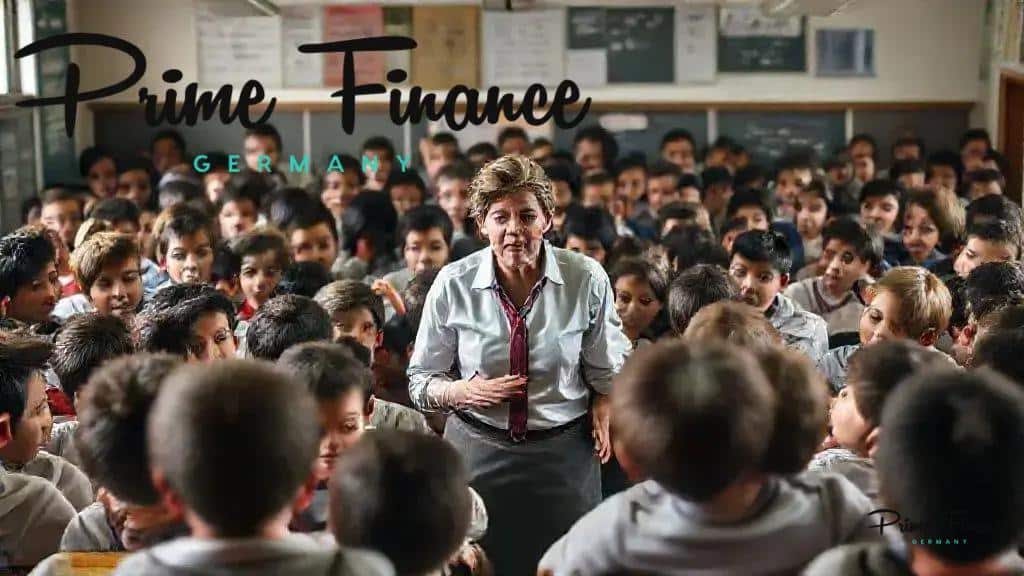
This situation leads to larger class sizes, reducing the amount of individual attention each student receives.
When classrooms become overcrowded, it can negatively impact student learning.
Teachers have less time to dedicate to each student, resulting in diminished academic support.
Students may struggle to grasp essential concepts, causing long-term educational gaps.
Impact on student outcomes
The lack of qualified teachers directly affects test scores and overall academic performance.
Research shows that students in schools facing teacher shortages tend to score lower on standardized tests compared to those in schools with adequate staffing.
This can lead to a cycle where struggling students fall further behind.
- Increased dropout rates due to inadequate support.
- Higher instances of behavioral problems in larger classrooms.
- Reduced access to specialized subjects like art, music, and science.
Additionally, the long-term effects of teacher shortages extend beyond the classroom.
Students may miss out on critical social and emotional learning experiences that skilled teachers facilitate.
This lack of guidance can affect their development, confidence, and even future career choices.
As we witness the consequences of this crisis unfold, it becomes clear that addressing the teacher shortage is not just about filling positions.
It is about ensuring that every child has access to quality education and the opportunity to thrive in a supportive learning environment.
Strategies to address the teacher shortage
Addressing the teacher shortage requires a multifaceted approach that tackles the root causes of the issue.
Implementing effective strategies can lead to better retention and recruitment of teachers, ensuring that students receive the education they deserve.
One of the first strategies is improving teacher salaries.
Competitive pay can attract new talent to the profession and encourage current teachers to stay.
Educational institutions and districts must recognize the value teachers bring and compensate them accordingly.
Support and mentorship
Creating strong support systems for teachers is crucial.
New educators often feel unprepared and overwhelmed, leading to high turnover rates.
Establishing mentorship programs can help guide new teachers through their early career stages.
These programs offer support, resources, and valuable insights into effective teaching practices.
- Pairing new teachers with experienced mentors.
- Providing regular professional development opportunities.
- Fostering a collaborative environment where feedback is encouraged.
Additionally, addressing working conditions can significantly impact teacher retention.
Many educators report feeling stressed due to lack of resources, large class sizes, and inadequate facilities.
Schools should prioritize investments in necessary materials and infrastructure to improve the overall working environment.
Encouraging pathways to the teaching profession is another effective strategy.
Offering incentives like scholarships or loan forgiveness programs for individuals pursuing education degrees can help increase the number of qualified teachers.
Alternative certification programs can also attract professionals from other fields, enriching the teaching workforce.
Involving the community can also enhance recruitment efforts.
Schools that build relationships with local organizations and businesses can garner support in attracting new educators.
Community engagement fosters a strong sense of belonging and support for teachers.
Ultimately, addressing the teacher shortage requires a concerted effort from administrators, policymakers, and communities.
Implementation of these strategies is critical for the sustainability of our educational system.
Future outlook and predictions for teachers
The future outlook for teachers is shaped by various trends and predictions that will impact education.
As the teacher shortage continues, the demand for qualified educators will likely increase.
This reality means that schools may need to adapt quickly to attract and retain talent.
One significant trend is the growing use of technology in the classroom.
With online learning becoming more prevalent, teachers will need to embrace digital tools.
Schools may provide more training in educational technology to help educators stay current and effective.
Changing demographics
Another important factor is the changing demographics of both teachers and students.
As student populations become more diverse, it will be essential for teachers to receive training in cultural competence.
This will help them meet the needs of all students, promoting an inclusive learning environment.
- Increased focus on mentorship programs to support new educators.
- Expansion of professional development opportunities related to diversity.
- Encouragement of collaboration between teachers across disciplines.
Additionally, the teaching profession may see more non-traditional candidates entering the field.
For instance, professionals from other industries may seek teaching careers, bringing valuable experiences.
This influx can enrich the educational environment and help students connect learning to real-world applications.
Looking ahead, mental health awareness will also play a crucial role in education.
Schools are likely to emphasize the well-being of both teachers and students, recognizing the importance of mental health support.
This awareness will help create a more supportive atmosphere in classrooms.
Ultimately, the future for teachers holds both challenges and opportunities.
Staying agile and adaptable will be key for educators as they navigate the evolving landscape of education.
FAQ – Frequently Asked Questions about Teacher Shortages
What are the main causes of the teacher shortage?
The teacher shortage is primarily caused by low salaries, high stress, lack of support, and inadequate working conditions.
How does the teacher shortage affect students?
The teacher shortage leads to larger class sizes, less individual attention for students, and lower overall academic performance.
What strategies can be implemented to address this issue?
Strategies include improving salaries, offering mentorship programs, enhancing working conditions, and encouraging diverse candidates to enter the profession.
What is the future outlook for teachers?
The future for teachers includes an increased focus on technology in the classroom, changing demographics, and a greater emphasis on mental health and support.