Navigating 2026 Workplace Benefits: Commuter & Development Perks
Advertisements

Employee compensation is shifting beyond standard healthcare and retirement.
Navigating 2026 Workplace Benefits breaks down how workers can leverage tax-advantaged transit subsidies, learning stipends, and employer-paid certifications to cut daily expenses while accelerating career growth.
Understanding the Evolving Landscape of 2026 Workplace Benefits
The year 2026 is poised to bring significant alterations to the structure and availability of workplace benefits, compelling both employers and employees to adapt their strategies.
These changes are not merely administrative adjustments but reflect broader economic trends and evolving employee expectations for support.
Employers are increasingly recognizing the value of robust benefit packages in attracting and retaining top talent, especially in competitive markets.
Key drivers behind these shifts include a greater emphasis on employee well-being, the ongoing impact of remote and hybrid work models, and a renewed focus on skill development in a rapidly changing technological environment.
As such, understanding the nuances of these upcoming benefit structures becomes paramount for effective financial and career planning. Proactive engagement with these changes will allow individuals to fully capitalize on available resources.
For employees, this means a critical need to review their current benefit elections and understand how new policies might affect their daily commutes and long-term career trajectories.
The emphasis is shifting towards more flexible and personalized benefit offerings, moving away from one-size-fits-all solutions. This adaptability is designed to cater to a diverse workforce with varying needs and priorities.
Commuter Benefits: Strategic Planning for Daily Travel
Commuter benefits are set to undergo notable changes in 2026, driven by a combination of legislative updates and evolving urban planning initiatives.
These adjustments aim to encourage more sustainable transportation methods while providing financial relief to employees facing rising commuting costs.
Employers are exploring innovative ways to support their workforce’s daily travel needs, moving beyond traditional parking subsidies.
The expansion of eligible expenses and the potential for increased pre-tax contributions are central to these upcoming modifications.
This provides a significant opportunity for employees to reduce their taxable income while covering essential transportation costs.
Understanding the specific parameters of these programs will be crucial for maximizing their financial advantages in the context of 2026 workplace benefits.
Companies are also looking at integrating technology solutions to streamline the administration of commuter benefits, making them more accessible and user-friendly.
This includes mobile applications for tracking expenses and managing benefit accounts, simplifying the process for employees. The goal is to make participation as seamless as possible, ensuring widespread adoption and impact.
New Regulations and Tax Incentives
New regulations expected in 2026 could introduce more flexible options for what qualifies as a commuter expense, potentially including ride-sharing services and electric vehicle charging.
These changes aim to reflect modern commuting habits and promote environmentally friendly choices. The internal revenue service (IRS) may adjust pre-tax contribution limits, offering greater savings opportunities for employees.
These tax incentives are designed to make commuting more affordable, particularly for those in high-cost urban areas.
Employees should monitor official announcements regarding these limits to adjust their contributions accordingly.
Maximizing these pre-tax deductions is a direct way to increase take-home pay and reduce overall tax burden, making it a critical component of 2026 workplace benefits.
- Expanded eligibility for public transit and vanpool expenses.
- Potential for increased monthly pre-tax contribution limits.
- Inclusion of new sustainable transportation options.
Leveraging Flexible Spending Accounts for Commuting
Flexible Spending Accounts (FSAs) for commuter benefits offer a powerful tool for employees to manage their transportation costs on a pre-tax basis.
These accounts allow individuals to set aside a portion of their salary, tax-free, to cover eligible commuting expenses. Understanding the specific rules and limitations of these FSAs is essential for effective utilization in 2026.
Employees should carefully estimate their annual commuting expenses to avoid forfeiting unused funds, as many FSA plans operate on a ‘use it or lose it’ basis.
However, some employers may offer grace periods or carryover options, which can provide additional flexibility. It is important to review individual plan documents to fully comprehend these provisions.
The strategic use of commuter FSAs can lead to substantial savings over the course of a year, effectively reducing the financial strain of daily travel.
This aspect of 2026 workplace benefits directly impacts an employee’s disposable income, freeing up funds for other financial goals. Proper planning and consistent tracking are key to maximizing these benefits.

Professional Development Perks: Investing in Your Future
Professional development perks are becoming increasingly vital in the 2026 workplace, reflecting the continuous need for skill enhancement and career advancement.
Employers are recognizing that investing in their workforce’s growth translates directly into increased productivity and innovation. These benefits are no longer just a nice-to-have but a strategic imperative for organizational success.
The range of professional development opportunities is expanding, encompassing everything from tuition reimbursement for higher education to certifications, workshops, and access to online learning platforms.
This diversity allows employees to tailor their learning journey to their specific career goals and industry demands. Understanding the full spectrum of these offerings is key to leveraging them effectively within 2026 workplace benefits.
Furthermore, many companies are now linking professional development directly to performance reviews and promotion pathways, emphasizing its importance in an employee’s overall career progression.
This creates a clear incentive for individuals to actively participate in these programs and continuously refine their skill sets. Proactive engagement ensures employees remain competitive and adaptable in a dynamic job market.
Tuition Reimbursement and Continuing Education
Tuition reimbursement programs remain a cornerstone of professional development perks, allowing employees to pursue higher education or specialized certifications with significant financial support.
These programs often come with specific eligibility criteria, such as minimum grades or a commitment to remain with the company for a certain period post-completion. Understanding these terms is crucial before enrollment.
Many organizations are expanding their tuition reimbursement to include a wider array of courses and degrees, reflecting the diverse educational needs of their employees.
This could involve support for graduate degrees, technical certifications, or even language courses, depending on the company’s strategic priorities. Employees should explore all available options to align with their long-term career aspirations.
The tax implications of tuition reimbursement are also an important consideration. While a certain amount may be tax-exempt, exceeding these limits can result in the reimbursed amount being considered taxable income.
Employees should consult with their HR department or a financial advisor to fully understand the tax treatment of these valuable 2026 workplace benefits.
Access to Online Learning Platforms and Certifications
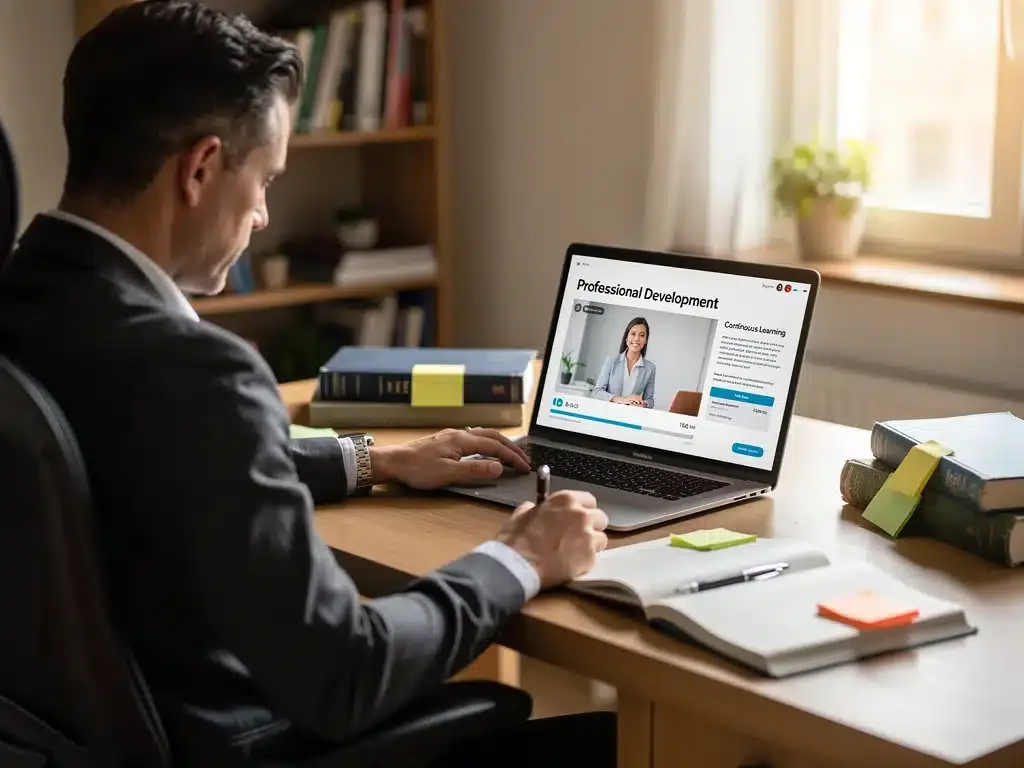
The proliferation of online learning platforms has transformed professional development, offering unparalleled flexibility and access to a vast array of courses and certifications.
Many employers are now providing free or subsidized access to platforms like Coursera, LinkedIn Learning, and edX, empowering employees to learn at their own pace and convenience.
This is a crucial element of modern 2026 workplace benefits.
These platforms provide opportunities to acquire new skills, refresh existing knowledge, and earn industry-recognized certifications that can significantly boost career prospects.
From data science to project management, the options are extensive. Employees should proactively identify skills gaps and seek out courses that directly address their professional development needs and career trajectory.
Companies are also increasingly recognizing the value of micro-credentials and specialized certifications, which can be obtained more quickly than traditional degrees and demonstrate a focused expertise.
Leveraging these resources can provide a competitive edge in the job market and open doors to new roles and responsibilities within an organization. This agile approach to learning is becoming a hallmark of effective professional development strategies.
Wellness and Work-Life Balance Benefits in 2026
Beyond traditional commuter and professional development perks, the 2026 workplace benefits landscape places a strong emphasis on employee wellness and work-life balance.
Employers are increasingly recognizing that a healthy and engaged workforce is a productive one, leading to a broader array of supportive programs.
These benefits are designed to address the holistic needs of employees, fostering overall well-being.
Initiatives range from mental health support and fitness programs to flexible work arrangements and expanded paid time off policies.
The goal is to create an environment where employees feel supported both inside and outside of work, reducing burnout and promoting a sustainable career path.
These offerings are becoming critical differentiators for companies seeking to attract and retain talent.
Employees should thoroughly explore all available wellness resources, as they can significantly impact personal health and overall job satisfaction.
Leveraging these benefits not only improves individual well-being but also contributes to a more positive and supportive workplace culture.
Understanding these broader 2026 workplace benefits is essential for maximizing one’s overall employment package.
Mental Health and Well-being Programs
Mental health support is gaining prominence as a core component of 2026 workplace benefits, with many companies offering comprehensive programs designed to address employee stress, anxiety, and other mental health challenges.
These can include access to therapy, counseling services, mindfulness resources, and employee assistance programs (EAPs). The stigma around mental health is diminishing, encouraging more employees to seek help.
Employers are investing in these programs because they understand the direct link between mental well-being and productivity.
A mentally healthy workforce is more resilient, focused, and engaged. Employees should familiarize themselves with the confidential resources available to them and not hesitate to utilize these critical support systems when needed.
The integration of digital platforms for mental health support is also accelerating, making it easier for employees to access resources from anywhere.
Telehealth options for counseling and virtual wellness workshops are becoming standard offerings, reflecting a commitment to accessible care. These initiatives underscore a progressive approach to employee welfare.
Flexible Work Arrangements and Paid Time Off
Flexible work arrangements, including remote work, hybrid models, and compressed workweeks, are increasingly becoming standard in the 2026 workplace, offering employees greater control over their schedules.
These benefits are crucial for achieving a healthy work-life balance, allowing individuals to manage personal and professional responsibilities more effectively. Such flexibility is a highly valued aspect of modern employment.
Alongside flexibility, enhanced paid time off (PTO) policies are being introduced, often including expanded vacation days, personal days, and even unlimited PTO options in some forward-thinking organizations.
These policies recognize the importance of rest and rejuvenation for sustained productivity and employee satisfaction. Employees should plan strategically to utilize their PTO fully.
Understanding the specific policies and how to request these flexible arrangements is vital for employees.
Transparent communication with management and adherence to company guidelines ensure that these benefits are utilized effectively without disrupting team operations.
These benefits are powerful tools for enhancing overall job satisfaction and retaining skilled professionals.
Navigating Benefit Enrollment and Optimization
Effectively navigating benefit enrollment and optimization is crucial for maximizing the value of 2026 workplace benefits.
This process requires careful review of all available options, understanding the fine print, and making informed decisions that align with individual needs and financial goals.
A passive approach to enrollment can lead to missed opportunities and suboptimal benefit utilization.
Employers are striving to make the enrollment process more transparent and user-friendly, often providing online portals, educational materials, and dedicated HR support.
However, the ultimate responsibility lies with the employee to actively engage with these resources. Proactive research and asking questions can clarify any ambiguities and ensure the best choices are made.
Beyond initial enrollment, ongoing optimization involves regularly reviewing benefit selections as personal circumstances change, such as family status or commuting habits.
Annual open enrollment periods offer a prime opportunity to reassess and adjust choices to ensure they remain relevant and beneficial. This continuous engagement is key to fully capitalizing on 2026 workplace benefits.
Key Considerations During Open Enrollment
Open enrollment periods are critical for employees to review and adjust their 2026 workplace benefits.
This annual window allows individuals to make changes to their health insurance, retirement contributions, and other elective benefits. It is essential to dedicate sufficient time to understand any new offerings or modifications to existing plans.
Employees should consider their anticipated needs for the upcoming year, including health expenses, professional development goals, and commuting patterns.
Comparing different plan options, understanding deductibles, co-pays, and coverage limits, is vital for making cost-effective decisions. This proactive approach prevents unforeseen expenses and ensures adequate coverage.
Furthermore, it is advisable to leverage any informational sessions or resources provided by the employer during open enrollment.
These sessions often highlight key changes and provide opportunities to ask questions directly to benefit administrators. Informed decisions during this period are fundamental to maximizing the value of an employee’s overall compensation package.
Tools and Resources for Benefit Management
To assist employees in managing their 2026 workplace benefits, many companies are providing advanced digital tools and comprehensive resources.
These often include online benefit portals where employees can view their selections, track usage, and access detailed plan documents. Such platforms centralize information, making it easily accessible and understandable.
Beyond portals, employers may offer access to financial wellness programs, benefit counselors, or even AI-driven tools that can help employees make personalized recommendations based on their individual profiles.
These resources are designed to demystify complex benefit structures and empower employees to make optimal choices. Utilizing these tools can significantly enhance benefit utilization.
- Online benefit dashboards for real-time tracking.
- Access to financial planning workshops and webinars.
- Dedicated HR specialists for personalized benefit consultations.
| Key Benefit Area | Description for 2026 |
|---|---|
| Commuter Perks | Expanded pre-tax options for diverse transport, including sustainable modes. |
| Professional Development | Increased access to tuition, certifications, and online learning platforms. |
| Wellness Programs | Enhanced mental health support, fitness incentives, and work-life balance initiatives. |
| Benefit Optimization | Strategic enrollment, regular reviews, and utilization of employer-provided tools. |
Frequently Asked Questions About 2026 Workplace Benefits
What are the most significant changes expected in 2026 workplace benefits?▼The most significant changes in 2026 workplace benefits are expected in expanded commuter options, increased professional development opportunities, and enhanced wellness programs. These shifts reflect evolving employee needs and a greater emphasis on holistic support. Employers are adapting to hybrid work models and the demand for continuous skill development, making benefits more flexible.
How can I maximize my commuter benefits in the coming year?▼To maximize your commuter benefits, review your employer’s updated policies for pre-tax deductions and eligible expenses. Consider utilizing Flexible Spending Accounts (FSAs) for transit or parking costs. Explore new sustainable transportation options that might now be covered. Regularly assess your commuting habits to align your benefit selections with your actual needs, ensuring no funds are left unused.
What professional development perks should I look out for?▼Look for expanded tuition reimbursement programs, access to online learning platforms like Coursera or LinkedIn Learning, and opportunities for industry certifications. Many companies are also offering internal training programs and mentorship initiatives. Align these perks with your career goals to enhance your skills and advance your professional trajectory effectively. Proactively engage with available resources.
Will mental health support be a standard offering in 2026 workplace benefits?▼Yes, mental health support is increasingly becoming a standard and robust offering in 2026 workplace benefits. Employers are recognizing its critical importance for employee well-being and productivity. Expect to see comprehensive Employee Assistance Programs (EAPs), access to counseling services, and resources for stress management and mindfulness. These initiatives aim to foster a supportive work environment.
How often should I review my workplace benefits selections?▼It is recommended to review your workplace benefits selections at least annually during open enrollment periods, or whenever significant life changes occur. Major life events like marriage, childbirth, or a change in commuting patterns warrant a re-evaluation of your benefits. Regular review ensures your selections remain optimized for your current circumstances and financial goals, maximizing your 2026 workplace benefits.
Looking Ahead: Strategic Implications for Employees
The upcoming shifts in 2026 workplace benefits represent a significant opportunity for employees to strategically enhance their financial well-being and career growth.
The increased focus on personalized and flexible options means that proactive engagement with benefit programs will yield substantial advantages.
Understanding the nuances of commuter benefits and professional development perks is no longer optional but a necessity for informed decision-making.
For research and employer insights on aligning group insurance with modern workforce expectations, explore Prudential’s workplace benefits trends and insights.
As employers continue to evolve their offerings, employees must remain vigilant, leveraging available resources and advocating for benefits that align with their evolving needs.
The landscape of 2026 workplace benefits is dynamic, requiring continuous attention and adaptation. This proactive approach will ensure that individuals are not just recipients of benefits, but active participants in shaping their value.
Monitoring official announcements and company communications regarding these changes will be paramount.
The ability to adapt and strategically utilize these evolving perks will differentiate those who merely participate from those who truly maximize their employment package.
This forward-looking perspective will empower employees to make the most of their 2026 workplace benefits.