2026 Inflation Report: 3.5% Rate & Your Household Budget
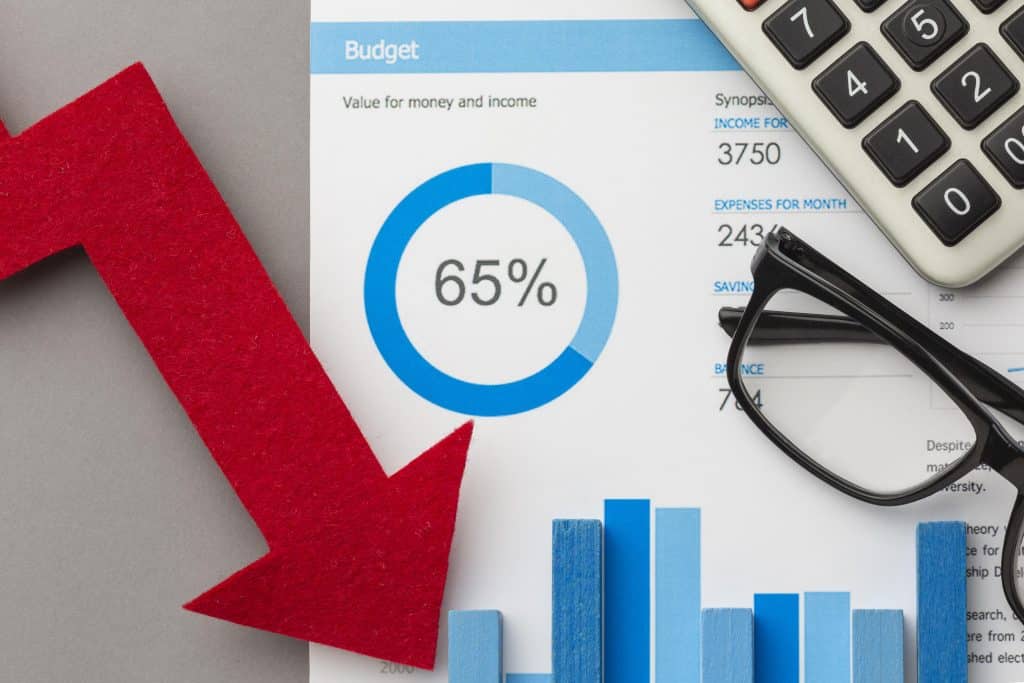
A medida que avançamos em 2026, o cenário inflacionário nos Estados Unidos apresenta sinais mistos de progresso e persistência.
Após os picos de volatilidade observados nos últimos anos, o Consumer Price Index (CPI) registrou uma desaceleração para 2,4% em janeiro de 2026, o nível mais baixo desde meados de 2021.
Apesar dessa tendência de queda no índice cheio, a inflação “núcleo” (que exclui alimentos e energia) permanece em 2,5%, impulsionada pela rigidez nos custos de serviços e moradia.
O Federal Reserve, atento a esses dados, optou por manter a taxa de juros na faixa de 3,50% a 3,75% no início do ano, sinalizando uma postura cautelosa antes de considerar novos cortes.
Understanding the 2026 Inflation Report: Key Figures and Projections
The latest 2026 Inflation Report has brought into sharp focus the economic landscape for the coming year, projecting an annual inflation rate of 3.5%.
This figure, while potentially lower than recent peaks, still represents a significant shift from historical averages and demands careful consideration by consumers and policymakers alike.
Economists from leading financial institutions have weighed in, suggesting that this 3.5% rate reflects a complex interplay of global supply chain adjustments, evolving consumer demand, and ongoing geopolitical factors.
The Federal Reserve’s stance on interest rates and quantitative easing will undoubtedly play a crucial role in shaping the actual outcome.
Understanding the nuances of this projection is vital for every American household. It’s not just a number; it’s a direct indicator of purchasing power and the cost of living, which will influence everything from daily groceries to long-term investment strategies.
Direct Impact on Household Budgets: Where Will You Feel It Most?
A 3.5% annual inflation rate, as highlighted in the 2026 Inflation Report, directly translates into a reduction in purchasing power for the average household.
This means that goods and services that cost $100 today will likely cost $103.50 by the end of 2026, assuming this rate holds steady.
The impact will not be uniform across all spending categories. Essential goods and services, such as food, energy, and housing, often experience the most noticeable price increases during periods of sustained inflation, disproportionately affecting lower and middle-income households.
Families will need to re-evaluate their current spending habits and financial plans to mitigate these effects. Proactive budgeting and strategic adjustments will be crucial to maintaining financial stability throughout the year.
Food and Groceries: Rising Costs at the Supermarket
The cost of food is typically one of the first areas where inflation becomes palpable for consumers. A 3.5% increase could mean significant changes to weekly grocery bills, impacting dietary choices and meal planning for many families.
Supply chain issues, labor costs, and agricultural commodity prices are primary drivers behind these increases. Shoppers may need to explore alternatives like generic brands, bulk purchasing, and seasonal produce to offset rising expenses.
- Strategic Shopping: Plan meals, use coupons, and buy in bulk when feasible.
- Dietary Adjustments: Consider more affordable protein sources and plant-based options.
- Local Markets: Explore farmers’ markets for potentially fresher and cheaper produce.
Energy and Utilities: A Heavier Burden on Monthly Bills
Energy prices, including electricity, natural gas, and gasoline, are highly sensitive to inflation and global market dynamics. The 2026 Inflation Report suggests these costs will continue to climb, adding pressure to household utility budgets and transportation expenses.
Households should review their energy consumption and explore efficiency improvements. Simple changes, such as adjusting thermostats or upgrading to energy-efficient appliances, can lead to notable savings over time.
The reliance on fossil fuels for transportation also means that gasoline prices will likely remain elevated, affecting daily commutes and travel plans. Public transportation or carpooling could become more attractive alternatives.
Navigating Housing Costs and Mortgage Rates in 2026
Housing, a significant portion of most household budgets, is also susceptible to inflationary pressures. The 2026 Inflation Report‘s 3.5% rate can influence both rental markets and mortgage rates, affecting homeowners and renters alike.
For renters, landlords may seek to pass on increased operating costs, leading to higher monthly rents. This trend is particularly evident in competitive urban markets where demand continues to outstrip supply.
Homeowners with variable-rate mortgages might see their monthly payments increase if interest rates are raised in response to persistent inflation. Those considering refinancing or new home purchases will face higher borrowing costs.
Rental Market Dynamics: Pressure on Tenants
Rental prices have been a major component of inflation in recent years, and the 2026 Inflation Report indicates this trend is unlikely to fully reverse. Tenants in popular areas should anticipate continued upward pressure on lease renewals.
Understanding local market conditions and negotiating lease terms can be crucial. Some tenants might explore options like roommate arrangements or moving to more affordable neighborhoods to manage costs.
Government initiatives aimed at increasing housing supply could provide some relief, but their impact might not be fully realized within the 2026 timeframe.
Mortgage Rates and Homeownership: Adapting to Higher Costs
The Federal Reserve’s actions to combat inflation directly influence mortgage interest rates. If the Fed continues to tighten monetary policy, borrowing costs for home loans will remain elevated, as implied by the 2026 Inflation Report‘s context.
Prospective homebuyers will find their purchasing power diminished, requiring larger down payments or accepting higher monthly payments.
Existing homeowners with fixed-rate mortgages are insulated from these changes, but those with adjustable rates should monitor market movements closely.
Financial advisors often recommend stress-testing personal budgets against potential interest rate hikes to ensure long-term affordability. This proactive approach can prevent financial strain down the line.
Wages, Savings, and Investments: Protecting Your Financial Future
While the 2026 Inflation Report highlights rising costs, its impact on wages, savings, and investments presents a mixed picture. Wages often lag behind inflation, meaning that real wages (purchasing power) can decline even if nominal wages increase.
For savers, traditional savings accounts typically offer returns that are lower than the inflation rate, leading to an erosion of wealth over time. This necessitates a strategic approach to where and how money is saved.
Investors must carefully consider asset allocation to protect their portfolios from inflation’s corrosive effects. Certain asset classes tend to perform better during inflationary periods than others.
Wage Growth vs. Inflation: The Real Income Challenge
Many workers will experience nominal wage increases in 2026, but the critical question is whether these increases will outpace the 3.5% inflation rate. If they do not, individuals will find their take-home pay buys less than before.
Labor market dynamics, industry-specific demand, and union negotiations will play a role in determining wage growth. Advocating for regular cost-of-living adjustments (COLAs) in employment contracts can become more important.
Understanding the difference between nominal and real wages is essential for accurately assessing personal financial health. Focus on real wage growth to truly measure an improvement in living standards.
Savings Strategies: Beating the 3.5% Rate
With the 2026 Inflation Report indicating a 3.5% inflation rate, leaving significant funds in low-interest savings accounts is not an optimal strategy. The real value of these savings will diminish over time.
Consumers should explore high-yield savings accounts, Certificates of Deposit (CDs), or Treasury Inflation-Protected Securities (TIPS) for their cash reserves. These instruments can offer better protection against inflation.
- High-Yield Savings: Seek accounts with interest rates above the national average.
- CDs: Lock in higher rates for specific periods, but be mindful of withdrawal penalties.
- TIPS: Government bonds designed to protect against inflation by adjusting their principal value.
Investment Considerations: Diversifying for Inflation Protection
Investors need to review and potentially rebalance their portfolios in light of the 2026 Inflation Report. Assets that historically perform well during inflationary periods include real estate, commodities, and certain types of equities.
Diversification remains a cornerstone of sound investment strategy. Spreading investments across various asset classes can help mitigate risks associated with inflation and market volatility.
Consulting with a financial advisor is recommended to tailor investment strategies to individual risk tolerance and financial goals, ensuring that portfolios are robust enough to withstand inflationary pressures.
Government and Federal Reserve Responses to the 2026 Inflation Report
The 2026 Inflation Report‘s 3.5% projection will undoubtedly influence policy decisions by both the U.S. government and the Federal Reserve. Their actions will be critical in managing inflationary pressures and supporting economic stability.
The Federal Reserve’s primary tool for combating inflation is adjusting the federal funds rate. Higher interest rates aim to cool down the economy by making borrowing more expensive, thereby reducing demand.
Government fiscal policies, such as spending programs or tax adjustments, can also play a role in either exacerbating or alleviating inflationary pressures. Coordination between monetary and fiscal policy is key.
Monetary Policy: The Fed’s Stance on Interest Rates
The Federal Reserve has a dual mandate: to achieve maximum employment and maintain price stability. A 3.5% inflation rate, while within some historical norms, might still prompt the Fed to maintain a hawkish stance.
Market analysts will closely watch the Fed’s communications for signals regarding future rate hikes or quantitative tightening measures. These decisions have ripple effects across all sectors of the economy.
The effectiveness of monetary policy in controlling inflation depends on various factors, including consumer confidence, global economic conditions, and the underlying causes of price increases.
Fiscal Policy: Government’s Role in Economic Stability
Government spending and taxation policies can significantly impact inflation. Large-scale stimulus packages, while beneficial in some contexts, can inject too much money into the economy, contributing to price increases.
Conversely, targeted fiscal measures, such as subsidies for essential goods or investments in supply chain improvements, could help alleviate inflationary pressures. The balance between stimulating growth and controlling inflation is delicate.
The political landscape and upcoming elections could also influence fiscal policy decisions, adding another layer of complexity to the economic outlook for 2026.
Long-Term Economic Outlook and Future Planning
The 2026 Inflation Report offers a snapshot, but understanding the long-term economic outlook is crucial for sustainable financial planning. Inflation is not a fleeting phenomenon but a persistent force that requires continuous adaptation.
Households and businesses must develop resilient financial strategies that account for ongoing price changes. This includes building emergency funds, managing debt effectively, and making informed investment decisions.
The ability to adapt to varying economic conditions will differentiate those who thrive from those who struggle. Proactive planning is the best defense against economic uncertainty.

Building Financial Resilience: Emergency Funds and Debt Management
An emergency fund is more critical than ever in an inflationary environment. Having three to six months’ worth of living expenses saved can provide a buffer against unexpected costs and job losses.
Managing debt, especially high-interest consumer debt, becomes paramount. Paying down credit card balances and personal loans can free up cash flow that would otherwise be eroded by rising prices.
- Emergency Fund: Aim for 3-6 months of essential expenses in an accessible, high-yield account.
- Debt Reduction: Prioritize high-interest debts to minimize financial drain.
- Budget Review: Regularly assess and adjust your budget to reflect current costs and income.
Adapting Investment Strategies for Sustained Growth
Long-term investors should consider assets that have historically offered protection against inflation, such as real estate, certain equities, and commodities. The goal is to ensure investment returns outpace the inflation rate.
Diversification across different sectors and geographies can also enhance portfolio resilience. International investments, for instance, might offer exposure to economies with different inflationary dynamics.
Regularly reviewing investment performance against inflation benchmarks is vital. This ensures that your portfolio is not just growing in nominal terms but also in real purchasing power.
| Key Point | Brief Description |
|---|---|
| 3.5% Inflation Rate | Projected annual inflation for 2026, impacting purchasing power. |
| Household Budget Impact | Increased costs for food, energy, and housing; requires budget adjustments. |
| Savings & Investments | Need for high-yield savings and inflation-protected investment strategies. |
| Policy Responses | Federal Reserve and government actions to stabilize prices and economy. |
Frequently Asked Questions About the 2026 Inflation Report
A 3.5% inflation rate means that the cost of goods and services will generally increase by that percentage annually. You can expect to pay more for essentials like groceries, gasoline, and utilities, requiring adjustments to your daily spending habits to maintain your purchasing power.
If your savings account yields less than 3.5% interest, the real value of your money will decrease over time due to inflation. It is advisable to explore high-yield savings accounts, CDs, or other inflation-protected instruments to ensure your savings grow at a rate that at least matches or exceeds inflation.
To protect your household budget, consider creating a detailed budget, cutting unnecessary expenses, and seeking opportunities for increased income. Also, prioritize paying down high-interest debt and building a robust emergency fund to absorb unexpected cost increases from the 2026 Inflation Report.
Yes, the Federal Reserve closely monitors inflation data. A 3.5% annual rate, as indicated by the 2026 Inflation Report, may prompt the Fed to continue or adjust its monetary policy, potentially through interest rate hikes, to bring inflation closer to its target of 2%, impacting borrowing costs.
The 2026 Inflation Report suggests that long-term planners should favor investments that historically perform well during inflation, such as real estate, commodities, and certain equities. Diversifying your portfolio and consulting with a financial advisor can help create a strategy that preserves and grows your wealth in a changing economic climate.
What this means
The 2026 Inflation Report, with its 3.5% annual rate projection, underscores the ongoing need for vigilance and adaptability in personal finance.
In conclusion, households must proactively review their budgets, savings, and investment strategies to mitigate the effects of rising costs.
Monitoring the Federal Reserve’s policy decisions and broader economic indicators will be crucial for making informed financial choices in the coming year and beyond.
This report serves as a critical call to action for financial resilience.
Para uma análise detalhada sobre os motivos dessa trajetória de queda, você pode ler o artigo de Garth Friesen na Forbes sobre por que a inflação nos EUA deve continuar caindo em 2026.